Ghana’s economy is undergoing significant changes that could directly impact the cost of living, business operations, and household spending in 2026. From currency fluctuations to new government policies and global market pressures, these economic developments are shaping the prices of food, fuel, rent, and essential services.
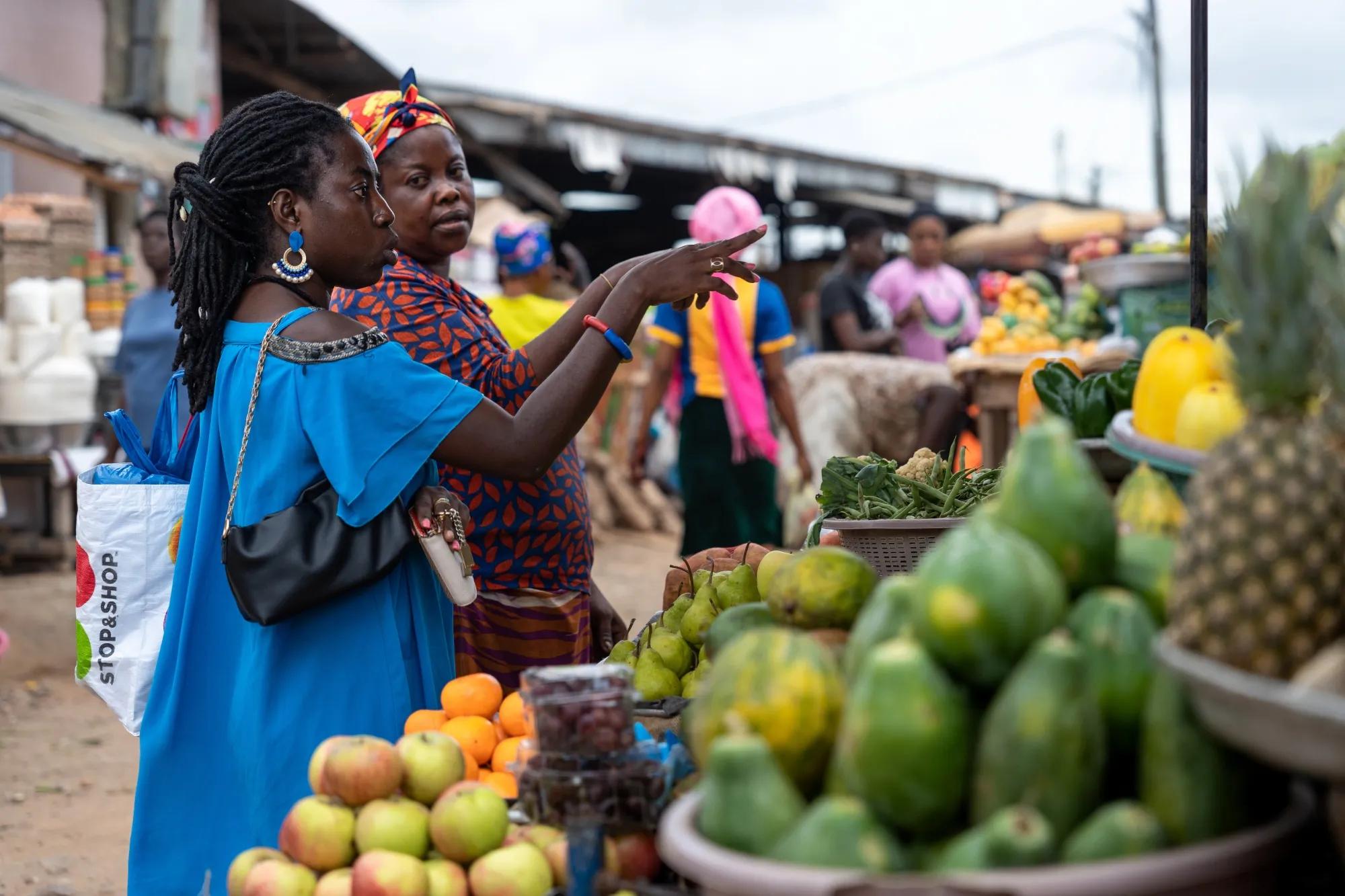
Key economic changes in Ghana expected to influence prices, inflation, and cost of living in 2026
Understanding the Key Changes in Ghana’s Economy That Could Affect Prices in 2026 is important for workers, entrepreneurs, investors, and families planning their finances.
Institutions like the Bank of Ghana and the Ghana Statistical Service continue to monitor inflation, interest rates, and economic growth indicators that influence price trends across the country. As Ghana navigates economic recovery and development, consumers and businesses must stay informed about the major factors driving price changes in 2026.
📈 Inflation Trends and Rising Cost of Living in Ghana

Inflation Trends and Rising Cost of Living in Ghana


Understanding inflation in Ghana 2026 is essential for households, businesses, and policymakers because inflation directly affects the cost of living and purchasing power across the country. Inflation occurs when the general price of goods and services rises over time, making everyday necessities such as food, transportation, rent, and utilities more expensive. In recent years, many Ghanaian families have experienced higher living expenses, and inflation remains one of the most significant economic factors influencing financial stability.
One of the key drivers of inflation in Ghana in 2026 is the increase in prices of essential goods. Items such as rice, cooking oil, fuel, and transportation fares often rise when production costs increase or supply becomes limited. For example, higher fuel prices can lead to increased transportation costs, which businesses may pass on to consumers through higher prices for goods and services. This chain reaction makes inflation a major concern for both consumers and business owners.
Institutions such as the Bank of Ghana closely monitor inflation rates to maintain economic stability. The central bank uses monetary policies such as adjusting interest rates to control inflation and support economic growth. When inflation rises too quickly, the purchasing power of money decreases, meaning people can buy fewer goods and services with the same income. This situation can place financial pressure on households, especially those with fixed salaries.
Another important factor affecting inflation in Ghana in 2026 is global economic conditions. Changes in international oil prices, supply chain disruptions, and currency exchange rates can influence the cost of imported goods in Ghana. Since the country relies on imports for many products, fluctuations in global markets often lead to local price increases.
In conclusion, monitoring inflation in Ghana in 2026 is crucial for understanding the rising cost of living and planning financial decisions. By staying informed about inflation trends, individuals and businesses can better manage expenses, adjust budgets, and prepare for economic changes in the coming year.
⛽ Fuel Price Adjustments and Transportation Costs


Changes in fuel prices in Ghana in 2026 remain one of the most visible economic factors affecting everyday life. Fuel is a critical component of transportation, logistics, and production, meaning any increase in fuel prices quickly spreads across the economy. When fuel costs rise, transportation operators, delivery companies, and businesses often adjust their prices to cover the additional expense. This leads to higher transport fares and increased prices for goods and services.
One of the major reasons why fuel prices in Ghana in 2026 influence the cost of living is the country’s dependence on fuel imports. Global oil prices and exchange rate movements can significantly affect the local price of petrol and diesel. When international oil prices increase or the local currency weakens, fuel becomes more expensive at the pump. These changes are typically monitored and announced by the National Petroleum Authority, which oversees fuel pricing and distribution in the country.
Transportation is one of the first sectors to feel the impact of rising fuel costs. Commercial drivers, including taxi and bus operators, often increase fares to maintain profitability. This directly affects commuters who rely on public transportation for daily travel. In addition, higher fuel prices increase the cost of transporting goods from farms, factories, and ports to markets, causing retailers to raise product prices.
Businesses also experience higher operating costs when fuel prices increase. Companies that rely on generators, delivery vehicles, or heavy machinery must spend more on energy, which can reduce profits or lead to price increases for consumers. As a result, fuel price adjustments have a ripple effect throughout the economy.
In conclusion, monitoring fuel prices in Ghana in 2026 is essential for understanding transportation costs and overall price trends. Fuel remains a key driver of inflation and economic activity, making it an important factor for households, businesses, and policymakers to watch closely.
💱 Exchange Rate Fluctuations and Import Prices


Changes in the Ghana Cedi Exchange Rate play a major role in determining the price of goods and services across the country. The exchange rate measures how much the Ghana cedi is worth compared to foreign currencies such as the US dollar, euro, or British pound. Because Ghana imports many essential products—including fuel, electronics, vehicles, and food items—any fluctuation in the exchange rate can directly affect the cost of living for households and businesses.
One of the main reasons why the Ghana Cedi Exchange Rate affects prices is the country’s reliance on imported goods. When the cedi weakens against major foreign currencies, importers must pay more to purchase products from overseas. These higher costs are often passed on to consumers through increased retail prices. For example, a rise in the exchange rate can make items such as mobile phones, spare parts, and household appliances more expensive in local markets.
The exchange rate is closely monitored by the Bank of Ghana, which uses monetary policies and foreign exchange management to stabilize the currency. Efforts to strengthen the cedi can help control inflation and maintain stable prices. However, global economic conditions, trade balances, and investor confidence also influence currency value, making exchange rate movements difficult to predict.
Businesses are particularly sensitive to changes in the Ghana Cedi exchange rate because many companies depend on imported raw materials and equipment. When the cost of imports increases, production expenses rise, leading to higher prices for finished goods. This can affect industries such as manufacturing, retail, and construction.
In conclusion, monitoring the Ghana Cedi Exchange Rate is essential for understanding price changes in Ghana’s economy. Currency fluctuations influence import costs, business operations, and household spending, making the exchange rate one of the most important factors affecting prices in 2026.
🏦 Interest Rate Changes and Loan Costs


Changes in interest rates in Ghana are a major factor influencing borrowing costs, investment decisions, and overall economic activity. Interest rates determine how much individuals and businesses must pay when they borrow money from banks or financial institutions. When interest rates rise, loans become more expensive, making it harder for people to finance homes, vehicles, and business projects. Conversely, when interest rates fall, borrowing becomes more affordable, encouraging spending and investment.
One of the institutions responsible for setting and monitoring interest rates in Ghana is the Bank of Ghana. The central bank adjusts policy rates to control inflation, stabilise the economy, and support economic growth. For example, if inflation rises too quickly, the Bank of Ghana may increase interest rates to reduce borrowing and slow down spending. This action helps stabilise prices but can also make loans more costly for consumers and businesses.
Higher interest rates can significantly impact businesses, especially small and medium-sized enterprises that rely on loans to finance operations or expansion. Increased borrowing costs may lead companies to raise the prices of their products and services to maintain profitability. This, in turn, contributes to higher living expenses for consumers.
Households are also affected by changes in interest rates in Ghana, particularly those with mortgages, personal loans, or credit facilities. Rising interest rates increase monthly loan repayments, reducing disposable income and limiting spending on other necessities. Lower interest rates, on the other hand, can provide financial relief and stimulate economic activity.
In conclusion, monitoring interest rates in Ghana is essential for understanding loan costs and price trends in the economy. Interest rate adjustments influence borrowing behaviour, business operations, and consumer spending, making them a key driver of economic conditions in 2026.
🍞 Food Production and Agricultural Supply


Changes in Food Prices in Ghana are closely linked to food production levels and agricultural supply across the country. Agriculture remains one of the most important sectors in Ghana’s economy, providing employment and supplying essential food items such as maize, rice, cassava, vegetables, and fruits. When food production is strong and supply is stable, prices tend to remain affordable. However, when production declines due to weather conditions, high input costs, or transportation challenges, food prices often rise, affecting households nationwide.
One of the major factors influencing Food Prices in Ghana is the cost of agricultural inputs such as fertilizer, seeds, pesticides, and farm equipment. When these inputs become more expensive, farmers may produce less food or increase prices to cover their expenses. In recent years, rising fertilizer prices and fuel costs have placed financial pressure on farmers, making it more difficult to maintain stable food production levels.
Weather conditions also play a critical role in determining food supply and pricing. Drought, floods, or irregular rainfall can damage crops and reduce harvest yields. These environmental challenges can lead to shortages of staple foods in markets, causing prices to increase rapidly. Climate change has made weather patterns less predictable, increasing the risk of supply disruptions.
Government agencies such as the Ministry of Food and Agriculture monitor agricultural production and implement programs to support farmers and improve food security. Initiatives such as fertilizer subsidies, irrigation projects, and farmer training programs aim to stabilize food supply and control price increases.
In conclusion, monitoring Food Prices in Ghana requires close attention to agricultural production and supply conditions. Food availability, input costs, and weather patterns all influence market prices, making agriculture a key factor in determining the cost of living in 2026.
🏗️ Government Infrastructure and Development Projects


Infrastructure Development in Ghana plays a major role in shaping economic growth, job creation, and price trends across the country. Government investment in roads, housing, railways, ports, and energy projects can stimulate economic activity and improve transportation and trade. However, large-scale infrastructure projects can also influence prices in sectors such as construction, transportation, and housing due to increased demand for materials and labor.
One of the key reasons Infrastructure Development in Ghana affects prices is the demand for construction materials such as cement, steel, sand, and fuel. When multiple projects are underway at the same time, demand for these materials increases, often leading to higher prices. Contractors and suppliers may raise prices due to limited supply or higher transportation costs. These price increases can eventually affect the cost of building houses and infrastructure nationwide.
Government infrastructure programs also create employment opportunities for engineers, construction workers, and service providers. Increased employment leads to higher income levels, which can boost consumer spending and stimulate business growth. However, increased spending may also contribute to rising demand for goods and services, potentially pushing prices upward in certain sectors.
Agencies such as the Ministry of Roads and Highways oversee many of the country’s infrastructure projects and development initiatives. These projects aim to improve connectivity, reduce transportation costs, and support economic development across regions. Improved infrastructure can make it easier for businesses to operate efficiently and for goods to move quickly between cities and markets.
In conclusion, Infrastructure Development in Ghana remains a key driver of economic progress and price changes. While infrastructure projects support growth and improve living conditions, they can also influence construction costs, employment, and consumer spending patterns in 2026.
⚡ Electricity Tariff and Utility Cost Changes


Changes in the Electricity Tariff in Ghana are a major factor influencing household expenses and business operating costs. Electricity is essential for homes, industries, hospitals, schools, and commercial activities, meaning any adjustment in tariff rates can have a direct impact on the cost of living and the price of goods and services. When electricity prices increase, businesses often pass the additional cost on to consumers through higher product prices.
One of the key reasons why the Electricity Tariff in Ghana affects prices is the reliance on energy for production and daily operations. Manufacturing companies, restaurants, retail shops, and service providers depend on electricity to run machinery, refrigeration systems, lighting, and communication equipment. Higher electricity bills increase operational expenses, which may lead to price increases for goods and services in the market.
Electricity tariffs in Ghana are regulated by institutions such as the Public Utilities Regulatory Commission and implemented by service providers like the Electricity Company of Ghana. These organizations review energy costs, fuel prices, and infrastructure expenses to determine appropriate tariff adjustments. Their decisions are based on maintaining reliable energy supply while balancing affordability for consumers.
Households are also directly affected by changes in the Electricity Tariff in Ghana. Higher electricity bills reduce disposable income, making it more difficult for families to manage monthly expenses. In response, many households adopt energy-saving practices such as using energy-efficient appliances, reducing unnecessary electricity use, and investing in alternative power sources like solar energy.
In conclusion, monitoring the Electricity Tariff in Ghana is essential for understanding price changes in the economy. Utility costs influence production expenses, household budgets, and business profitability, making electricity tariffs a critical factor affecting economic conditions in 2026.
📦 Import Duties and Government Tax Policies


Changes in Tax Policy in Ghana and import duties are among the most important economic factors influencing the price of goods and services. Taxes imposed on imported products can directly affect retail prices, especially in a country where many consumer goods are sourced from overseas. When government tax rates increase, importers often pass the additional cost on to customers, leading to higher prices in markets and stores.
One of the main reasons Tax Policy in Ghana affects prices is the role of customs duties on imported items such as electronics, vehicles, clothing, and food products. Import duties are collected at entry points like the Tema Port, where goods arriving from other countries are inspected and taxed before entering the local market. These taxes help generate government revenue for infrastructure, healthcare, and public services, but they can also increase the cost of living when rates rise.
Government policies regarding taxation may also change depending on economic conditions. For example, authorities may increase taxes to raise revenue during periods of budget deficits or reduce taxes to stimulate economic growth. Agencies such as the Ghana Revenue Authority are responsible for implementing tax policies and ensuring compliance with national regulations.
Businesses closely monitor changes in Tax Policy in Ghana because taxes directly affect their operating costs and profit margins. Higher taxes can lead to increased prices for consumers, while tax reductions can make goods more affordable and encourage spending. Consumers may notice price changes quickly in sectors such as retail, transportation, and manufacturing.
In conclusion, Tax Policy in Ghana plays a crucial role in determining market prices and economic stability. Import duties and tax adjustments influence business costs, consumer spending, and government revenue, making taxation one of the key factors shaping price trends in 2026.
📈 Employment Levels and Wage Growth


Changes in Employment and Wages in Ghana play a significant role in shaping consumer spending and overall price trends in the economy. When more people are employed and earning stable incomes, they have greater purchasing power to buy goods and services. This increased demand can stimulate economic growth but may also lead to rising prices if supply does not keep pace with demand. On the other hand, high unemployment levels can reduce spending and slow down economic activity.
One of the key reasons Employment and Wages in Ghana affect prices is the direct relationship between income levels and consumer demand. When workers receive salary increases or new job opportunities, they are more likely to spend money on housing, transportation, food, and entertainment. Businesses respond to this increased demand by expanding production or raising prices, depending on supply conditions. This cycle makes employment and wage growth an important driver of inflation and economic stability.
Government agencies such as the Ghana Statistical Service regularly monitor employment trends and wage levels to assess economic performance. These statistics help policymakers design programs that support job creation, skills development, and workforce productivity. Improved employment conditions can boost economic confidence and encourage investment across various industries.
Businesses also rely on stable employment and wage growth to maintain productivity and customer demand. Companies that pay competitive salaries can attract skilled workers and improve operational efficiency. However, rising wage costs may increase production expenses, which can lead to higher prices for goods and services if businesses pass those costs on to consumers.
In conclusion, monitoring Employment and Wages in Ghana is essential for understanding changes in consumer spending and price trends. Employment growth supports economic expansion, while wage increases influence purchasing power and demand, making labor market conditions a key factor shaping the economy in 2026.
🌍 Global Economic Conditions and Commodity Prices


Changes in Global Commodity Prices have a direct and powerful impact on Ghana’s economy because the country depends heavily on both imports and exports of key commodities such as oil, gold, cocoa, and food products. When global prices for these commodities rise or fall, the effects are quickly felt in local markets through changes in fuel costs, food prices, and business expenses. Monitoring global commodity trends is therefore essential for understanding price movements in Ghana in 2026.
One of the most important examples of how Global Commodity Prices affect Ghana is the price of crude oil. Since Ghana imports refined petroleum products, increases in global oil prices often lead to higher fuel prices locally. Higher fuel prices then raise transportation and production costs, which can cause businesses to increase the prices of goods and services. This chain reaction makes oil prices one of the most influential factors affecting inflation.
Commodity exports also play a significant role in the national economy. Ghana is one of the world’s leading producers of gold and cocoa, and fluctuations in global prices for these commodities can affect government revenue and foreign exchange earnings. Agencies such as the Ghana Cocoa Board monitor global cocoa prices and support farmers and exporters. When export earnings increase, the country may experience stronger economic growth and currency stability.
Global supply chain disruptions are another factor influencing Global Commodity Prices. Events such as international conflicts, shipping delays, or trade restrictions can reduce supply and push prices higher. These disruptions can affect the availability and cost of imported goods in Ghana, including machinery, food, and raw materials.
In conclusion, Global Commodity Prices remain a key driver of economic conditions and price changes in Ghana. International market trends influence fuel costs, export revenue, and consumer prices, making global economic developments an important factor shaping Ghana’s economy in 2026.



0 Comments