Published by SencoProperties News. This is general information, not legal, surveying, valuation, tax or financial advice. Requirements and circumstances vary; confirm your specific case with the relevant authority and qualified professionals.
Finding a rental home involves more than choosing a neighbourhood and agreeing on a monthly figure. Renters should confirm who is entitled to let the property, understand the written tenancy terms, inspect the home, clarify utilities and service charges, document payments and keep a record of the property’s condition. These steps can reduce misunderstandings and make it easier to resolve a disagreement if one arises.
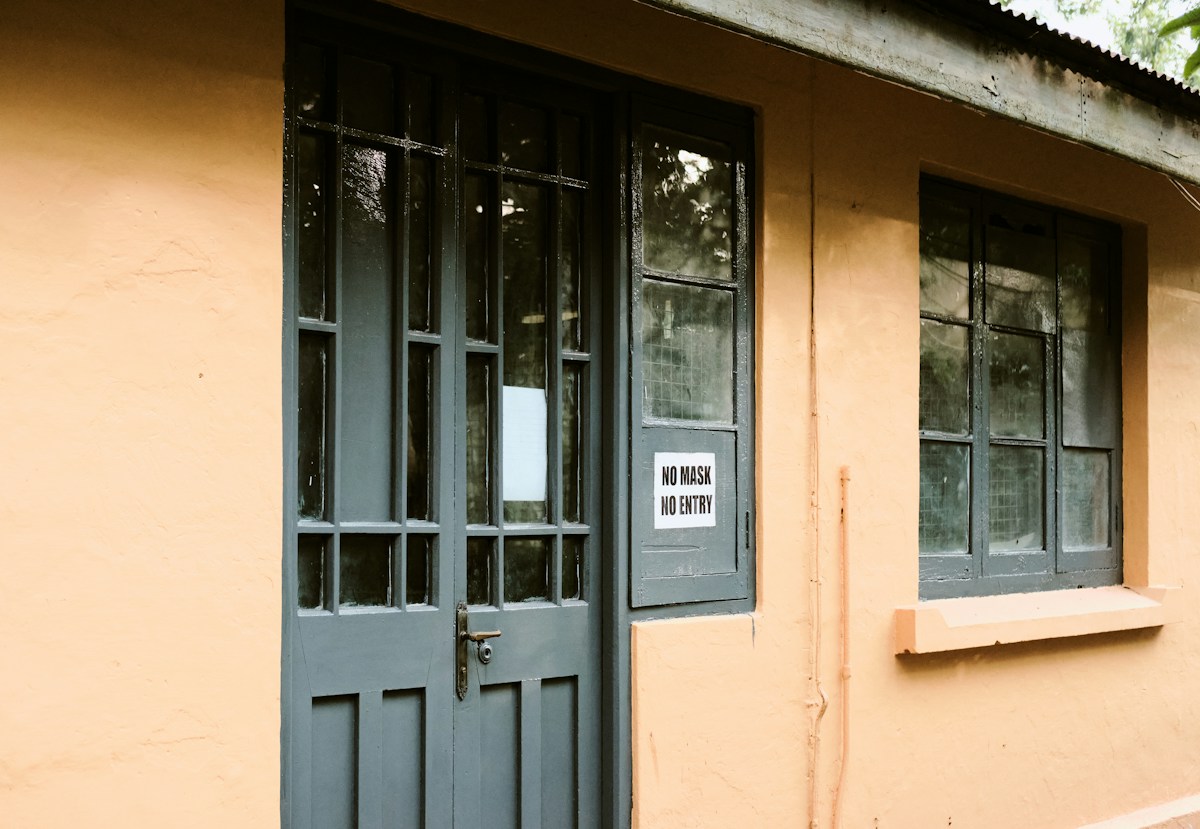
Residential building illustrating rental property inspections and tenancy decisions.
Set a realistic rental budget.
Start with the amount you can afford after food, transport, school costs, utilities, debt repayments and savings. Include the total cash needed before moving in, not only the advertised rent. Ask about any deposit, agency fee, utility contribution, service charge, security charge or other payment and request an itemised written explanation. Estimate transport costs from the actual location to work, school and regular services. A cheaper home can become more expensive if daily travel is long or the property requires costly repairs or equipment.
Confirm the landlord or authorised agent
Ask who owns or manages the property and who will sign the tenancy agreement. If an agent or caretaker is handling the transaction, request evidence that they are authorised to do so. Verify payment details independently and be cautious if the person showing the property cannot explain who receives rent or who is responsible for repairs. Do not rely solely on a social media listing, key possession or a verbal claim. If ownership or authority is unclear, pause and seek advice before transferring money.
Inspect the property before agreeing.
Check doors, windows, locks, roof and ceiling stains, visible cracks, ventilation, taps, toilets, drainage, electrical sockets and signs of pests or dampness. Test the water supply and ask how water is stored. Check mobile reception, internet options, lighting and access after dark. If you notice a serious electrical, structural or sanitation concern, ask for it to be inspected by a qualified professional. Photograph existing damage with permission and agree in writing who will repair it and by what date.
Understand the tenancy agreement.
Read the full agreement before signing. It should identify the landlord and tenant, the premises, tenancy period, rent amount and payment dates, deposit or other charges, responsibility for utilities, maintenance obligations, notice provisions and conditions for ending the tenancy. Clarify whether parking, furniture, appliances, water tanks or shared facilities are included. Ask about restrictions on pets, subletting, alterations and use of common areas. Do not sign blank pages or rely on promises that are not included in the final written agreement.
Ask questions about advance rent and charges.
Advance-rent requests can involve substantial sums, so ask for the period covered, the exact amount, the due dates and the legal basis for the arrangement. Ghana’s Rent Act 1963 (Act 220) is an important reference, and tenants should not assume that every demand is lawful simply because it is common practice. The Act and its application can be fact-specific; consult the Rent Control Department or a qualified lawyer about your circumstances. The official Ministry of Works, Housing and Water Resources describes the Rent Control Department’s role in rent-related matters.
Get a receipt for every payment.
Keep a clear record of rent, deposits and other amounts paid. The receipt should identify the property, the amount, the date, the period covered and the person receiving payment. The Rent Act includes a provision concerning written receipts for rent. Use a payment method that leaves a trace where practical, but remember that a bank or mobile-money record may not explain the purpose of the transfer on its own. Keep the transaction record together with the agreement and any message confirming what the payment covers.
Clarify repairs and maintenance.
Ask who is responsible for plumbing, electrical faults, roof leaks, common areas, septic systems, pest control, security and garden maintenance. The agreement should explain how to report problems and how urgent repairs will be handled. Notify the landlord promptly about damage and retain copies of the message. Avoid making expensive alterations or deducting repair costs from rent without checking the agreement and obtaining appropriate advice. For safety-related problems, prioritise protecting occupants and seek qualified assistance rather than attempting dangerous work yourself.
Residential building illustrating rental property inspections and tenancy decisions.
Understand utilities and shared costs.
Find out whether electricity, water, waste collection, security and common-area maintenance are individually metered or shared. Ask how bills are calculated, when they are due and whether arrears exist. Record meter readings at move-in and keep copies of bills you pay. In a compound house or apartment building, ask how shared costs are divided and who maintains shared equipment. If a service is included in rent, make sure the agreement states the arrangement so that a later disagreement does not depend on memory.
Check safety and the surrounding area.
Visit at different times, if possible, to understand noise, traffic, lighting, drainage, security and access to public transport. Check whether windows and doors lock properly and whether emergency exits are obstructed. Ask how the property handles rubbish, water storage and power interruptions. Consider flood exposure and the route home after dark. Speak to neighbours respectfully for context, but verify important claims and avoid treating a single person’s opinion as definitive evidence about the area.
Document the move-in condition.
Prepare a dated inventory and take photographs or video of each room, appliances, fixtures, meters and existing damage. Share the record with the landlord and ask them to acknowledge it in writing. Record the number of keys received and any promised repairs. This evidence can help distinguish pre-existing damage from damage during the tenancy. Store copies in a secure place and back them up. If furniture is supplied, list each item and note its condition rather than accepting a vague statement that the house is furnished.
Know how to communicate and keep evidence.
Report problems in writing and keep the tone factual. Include the date, location, description, photographs where relevant and the action requested. Save replies and records of visits by repair workers. If a conversation takes place by phone, send a brief written summary afterwards. Avoid threats, harassment or taking action that could worsen a dispute. Clear records help both parties understand what was agreed and can assist a mediator or relevant authority if informal discussion fails.
Subletting, guests and changes to the property
Do not assume that you can sublet a room, transfer the tenancy or make major changes without permission. Check the agreement and obtain written consent where required. Clarify rules for long-term guests, business use, repainting, installing equipment or changing locks. Tenants should also understand their obligations to neighbours and to shared facilities. A small alteration can become a dispute if the agreement requires the landlord’s approval or if it affects the building’s safety.
If a dispute develops
Start by reading the agreement and gathering receipts, messages, photographs and relevant dates. Ask for a written explanation of the disputed charge or action. If the issue cannot be resolved, contact the Rent Control Department, which the Ministry identifies as an agency working on rent matters and reconciliation, or seek advice from a qualified lawyer. The Rent Act 1963 (Act 220) is available online for reference. Do not rely on a general article to determine the legal outcome of a particular dispute.
Plan your move-out early.
Review the notice requirements in your agreement and give notice in the required way. Arrange an inspection, photograph the final condition, record meter readings and return keys with written acknowledgement. Request a final account of rent and other charges, and document any agreement about a deposit or repairs. Do not assume that a deposit will automatically cover the last rent payment unless the agreement and applicable rules allow it. Keep all documents until the final balance is settled.
Tenant checklist before paying
- Confirm the landlord’s or agent’s authority.
- Inspect the home and record existing defects.
- Read and understand the tenancy agreement.
- Ask for an itemised breakdown of advance rent and fees.
- Use traceable payment where possible and obtain receipts.
- Clarify utilities, repairs and shared charges.
- Keep copies of all documents and communications.
Conclusion
A good tenancy begins with clear expectations. Verify who is letting the property, inspect the premises, understand the written terms, record every payment and keep evidence of the condition at move-in. If a question involves a legal entitlement or a disputed payment, consult Rent Control or a qualified professional rather than relying on hearsay. For more Ghana property and housing guides, visit SencoProperties News.
Keep a tenancy folder throughout the rental period.
Create one folder for the signed agreement, receipts, meter readings, inspection photographs, repair requests and responses. Add dates to each record and keep a backup. When a repair is reported, note when it was first raised, any inspection that followed and what was agreed about the next step. This makes it easier to distinguish a new problem from a defect present at move-in and reduces disputes caused by different recollections. If you pay cash, insist on a written receipt at the time of payment; if you pay electronically, retain both the transaction record and a message explaining what the payment covers.
Before renewing, review whether the rent, duration, utilities, repairs and other terms are changing. Ask for proposed changes in writing and take time to understand them before agreeing. If the property is no longer suitable, review the notice provisions and plan a move that allows you to document the final condition, return keys and settle outstanding accounts. When the parties disagree about a legal obligation, seek help from the Rent Control Department or a qualified lawyer instead of relying on informal advice from friends or online comments.



0 Comments