Youth unemployment remains one of the most important economic challenges in Ghana, especially as thousands of young graduates enter the job market every year. To address this issue, the government has introduced several initiatives aimed at creating jobs, building skills, and supporting entrepreneurship.
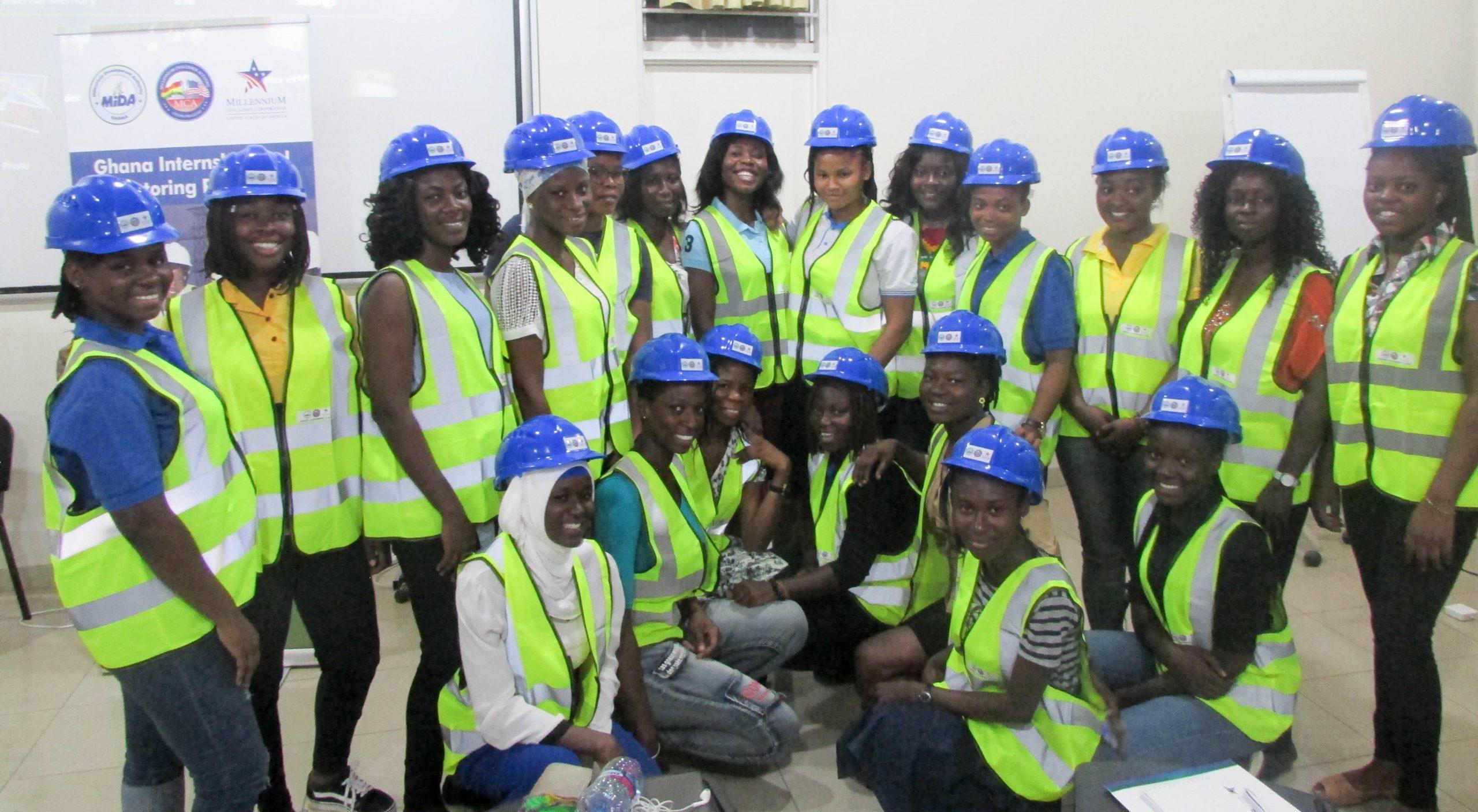
Government programs supporting youth employment in Ghana through training and job opportunities
These government programs supporting youth employment in Ghana provide opportunities in sectors such as agriculture, digital technology, education, and public service. Many young people have benefited from training, financial support, and job placements through these programmes.
With increasing demand for sustainable employment and income generation, understanding the top government programs supporting youth employment in Ghana can help job seekers, graduates, and entrepreneurs identify available opportunities. Below are the most impactful programmes currently helping young people secure jobs and build successful careers.
🇬🇭 Youth Employment Agency — Creating Jobs for Young People


The Youth Employment Agency Ghana is one of the most important government initiatives aimed at reducing unemployment among young people and creating sustainable job opportunities across the country. Established to address the growing challenge of youth unemployment, the Youth Employment Agency provides temporary and long-term employment opportunities in various sectors, including sanitation, health, agriculture, education, and community services. Over the years, the Youth Employment Agency Ghana has supported thousands of young people by helping them gain work experience, earn income, and develop valuable skills.
One of the main objectives of the Youth Employment Agency Ghana is to equip young people with practical skills that improve their chances of securing permanent employment. Many participants receive training in areas such as entrepreneurship, vocational skills, and public service delivery. This training helps them become more competitive in the job market and prepares them for future career opportunities. In addition, the agency collaborates with private companies and public institutions to create job placements for young workers.
Another key benefit of the Youth Employment Agency Ghana is its focus on community development. Participants often work on projects that improve local communities, such as environmental sanitation, health awareness campaigns, and educational support programmes.
These initiatives not only provide employment but also contribute to national development and social welfare. By engaging young people in productive activities, the agency helps reduce poverty and promote economic growth.
Furthermore, the Youth Employment Agency Ghana plays a significant role in promoting entrepreneurship among the youth. Through partnerships with financial institutions and training organisations, the agency encourages young people to start small businesses and become self-employed. This approach helps create additional job opportunities and strengthens the local economy.
In conclusion, the Youth Employment Agency Ghana continues to be a vital programme for addressing youth unemployment and supporting economic development in Ghana. By providing job opportunities, skills training, and entrepreneurial support, the agency empowers young people to build successful careers and contribute positively to society.
🎓 National Service Authority — Bridging Education and Employment


The National Service Authority Ghana plays a critical role in preparing graduates for the job market by providing them with practical work experience after completing their education. Managed by the National Service Authority, this programme requires graduates from universities and colleges to serve the nation for a specified period, usually one year. The goal of the National Service Authority Ghana is to bridge the gap between academic learning and real-world employment, helping young people develop professional skills and improve their chances of securing permanent jobs.
Each year, thousands of graduates are posted to government institutions, private companies, schools, hospitals, and community organisations across Ghana. Through this placement system, participants gain hands-on experience in their chosen fields, such as education, healthcare, engineering, administration, and business services. This exposure helps them understand workplace expectations, improve communication skills, and build professional networks that can lead to long-term employment opportunities.
Another important benefit of the National Service Authority of Ghana is the opportunity for graduates to contribute to national development. Many service personnel work in underserved communities where their skills are needed most. For example, teachers posted to rural schools help improve education quality, while healthcare workers assist in hospitals and clinics. These contributions support national growth while allowing participants to gain valuable work experience.
The National Service Authority Ghana also provides financial allowances to support graduates during their service periods. Although the allowance may not be equivalent to a full salary, it helps cover basic living expenses and encourages young people to participate in the programme. In addition, many employers use the national service period to identify talented individuals for permanent employment positions after the service year ends.
In conclusion, the National Service Authority Ghana remains one of the most effective government programmes supporting youth employment and professional development. By offering practical experience, workplace exposure, and career opportunities, the programme helps graduates transition smoothly from education into the workforce and build a strong foundation for their future careers.
🚀 National Entrepreneurship and Innovation Programme — Supporting Young Entrepreneurs


The National Entrepreneurship and Innovation Programme (NEIP Ghana) is a key government initiative designed to support young entrepreneurs and promote business development across the country. Operated by the National Entrepreneurship and Innovation Programme, the programme focuses on providing funding, mentorship, and training to individuals who want to start or expand their businesses. Through these services, the NEIP Ghana initiative helps young people transform innovative ideas into successful enterprises that create jobs and contribute to economic growth.
One of the main goals of NEIP Ghana is to encourage entrepreneurship among young people, especially graduates and unemployed youth. The programme offers structured training sessions that teach essential business skills such as financial management, marketing, customer service, and business planning. Participants also learn how to manage risks and sustain their businesses in competitive markets. This knowledge equips young entrepreneurs with the tools needed to succeed in today’s rapidly changing economy.
Another major benefit of NEIP Ghana is access to financial support. Many aspiring entrepreneurs struggle to obtain funding to launch their businesses. To address this challenge, the programme provides startup capital, grants, and loans to qualified applicants. This financial assistance enables participants to purchase equipment, rent business premises, and invest in production. By supporting small businesses, the NEIP Ghana initiative helps reduce unemployment and stimulate economic activity in local communities.
In addition to funding and training, the programme offers mentorship opportunities from experienced business professionals. Mentors guide participants through the early stages of business development and help them overcome common challenges. This support increases the chances of long-term success and encourages sustainable business practices.
In conclusion, the NEIP Ghana programme plays a vital role in promoting entrepreneurship and job creation in Ghana. By providing training, financial assistance, and mentorship, the initiative empowers young people to build businesses, create employment opportunities, and contribute to national development.
🌾 Planting for Food and Jobs — Promoting Agricultural Employment


The Planting for Food and Jobs Ghana initiative is one of the most impactful agricultural programs introduced by the government to boost food production and create employment opportunities for young people. Managed by the Ministry of Food and Agriculture, the program aims to modernize agriculture while encouraging youth participation in farming and agribusiness. Since its launch, the Planting for Food and Jobs Ghana program has supported thousands of farmers across the country by providing essential resources and training.
One of the primary objectives of the Planting for Food and Jobs Ghana initiative is to increase agricultural productivity and reduce food shortages. The program supplies farmers with improved seeds, fertilizers, and technical guidance to help them grow crops more efficiently. This support enables young farmers to produce higher yields, increase their income, and build sustainable livelihoods. By focusing on agriculture, the government is also creating job opportunities in rural areas where employment options are often limited.
Another important aspect of the Planting for Food and Jobs Ghana program is its emphasis on youth empowerment. Many young people are encouraged to enter the agricultural sector through training programs that teach modern farming techniques, irrigation methods, and agribusiness management. These skills help participants develop confidence and become self-employed farmers or agricultural entrepreneurs.
In addition to crop farming, the program supports related industries such as food processing, transportation, and marketing. These activities create additional employment opportunities along the agricultural value chain. For example, young people can start businesses in packaging, storage, or distribution of farm produce, generating income and contributing to economic growth.
Furthermore, the Planting for Food and Jobs Ghana initiative plays a significant role in strengthening national food security. By increasing local food production, the country reduces dependence on imported food and stabilizes prices in the market. This benefits both farmers and consumers while supporting the overall economy.
In conclusion, the Planting for Food and Jobs Ghana program remains a vital government initiative for promoting agricultural employment and economic development. Through training, resource support, and job creation, the program empowers young people to participate actively in agriculture and build sustainable careers in the farming sector.
🏢 Nation Builders Corps — Public Sector Job Opportunities


The NABCO Ghana program, officially known as the Nation Builders Corps, was established to address graduate unemployment and provide young people with valuable work experience in the public sector. The initiative created thousands of job opportunities for graduates across Ghana by placing them in government institutions, schools, hospitals, and other public service organizations. Through this program, the government aimed to equip young people with practical skills that would improve their employability and career prospects.
One of the key objectives of NABCO Ghana was to help graduates transition smoothly from school into the workforce. Many young people struggle to find employment immediately after completing their education due to limited job opportunities or lack of practical experience. The program addressed this challenge by offering structured work placements in various sectors, including education, healthcare, agriculture, and public administration. Participants gained hands-on experience while contributing to national development.
Another important benefit of the NABCO Ghana initiative was skills development. Participants received training in professional communication, teamwork, leadership, and technical skills relevant to their assigned roles. These skills prepared them for long-term employment and increased their confidence in the workplace. Many graduates who participated in the program later secured permanent jobs in both the public and private sectors.
The NABCO Ghana program also played a significant role in improving service delivery across the country. For example, participants assigned to schools helped teachers manage classrooms and administrative tasks, while those placed in hospitals supported healthcare workers in providing essential services. This additional workforce helped institutions operate more efficiently and serve communities more effectively.
Although the program was initially designed as a temporary employment solution, its impact on youth development and job creation has been widely recognized. The experience gained through NABCO Ghana has helped many young people build professional networks and discover new career opportunities.
In conclusion, the NABCO Ghana initiative remains an important example of how government programs can support youth employment and national development. By providing work experience, training, and income support, the program empowered thousands of graduates to begin their professional journeys and contribute positively to Ghana’s economy.
💼 Ghana Enterprises Agency — Empowering Small Businesses


The Ghana Enterprises Agency plays a crucial role in supporting small and medium-sized businesses across the country. Operated by the Ghana Enterprises Agency, this institution provides training, funding, and advisory services to entrepreneurs who want to start or grow their businesses. Through its programs, the Ghana Enterprises Agency helps young people develop sustainable businesses, create jobs, and contribute to national economic development.
One of the main objectives of the Ghana Enterprises Agency is to promote entrepreneurship and reduce unemployment among young people. Many individuals have innovative business ideas but lack the skills or financial resources needed to succeed. To address this challenge, the agency offers training programs in business management, marketing, bookkeeping, and customer service. These programs equip entrepreneurs with the knowledge required to manage their businesses effectively and remain competitive in the market.
Another important service provided by the Ghana Enterprises Agency is access to financial support. The agency collaborates with banks and financial institutions to provide loans, grants, and funding opportunities to small businesses. This financial assistance allows entrepreneurs to purchase equipment, expand operations, and improve productivity. As businesses grow, they create employment opportunities for other young people, helping to reduce unemployment in local communities.
The Ghana Enterprises Agency also focuses on supporting women and youth entrepreneurs who may face barriers to starting businesses. Special programs are designed to empower these groups through mentorship, networking opportunities, and technical assistance. This inclusive approach ensures that more people have the opportunity to participate in economic activities and improve their living standards.
In addition, the agency provides ongoing business advisory services to help entrepreneurs overcome challenges and adapt to changing market conditions. Business owners receive guidance on financial planning, product development, and market expansion, increasing their chances of long-term success.
In conclusion, the Ghana Enterprises Agency remains a key government institution dedicated to empowering entrepreneurs and supporting small business development. By providing training, funding, and mentorship, the agency helps young people build successful enterprises and create sustainable employment opportunities across Ghana.
💰 YouStart Program — Funding Youth-Led Businesses


The YouStart Ghana program is a major government initiative designed to support young entrepreneurs by providing funding, training, and mentorship opportunities. Managed through partnerships between government agencies and financial institutions, the YouStart Program aims to reduce unemployment by encouraging young people to start and grow their own businesses. The YouStart Ghana initiative focuses on empowering youth with the resources they need to become self-employed and contribute to economic development.
One of the main goals of the YouStart Ghana program is to provide financial assistance to young people who have innovative business ideas but lack the capital to begin operations. Through this program, eligible participants can access startup grants, loans, and business development support. This funding helps entrepreneurs purchase equipment, rent workspace, and manage operational costs during the early stages of their businesses. By removing financial barriers, the program makes it easier for youth to launch successful ventures.
Another important feature of the YouStart Ghana initiative is skills development. Participants receive training in essential business areas such as financial management, marketing, customer relations, and digital entrepreneurship. These training sessions prepare young people to manage their businesses professionally and adapt to market changes. The knowledge gained through the program increases the chances of long-term success and sustainability.
The YouStart Ghana program also promotes innovation and job creation. As young entrepreneurs establish businesses, they create employment opportunities for others in their communities. This ripple effect helps stimulate local economies and reduce youth unemployment nationwide. Many sectors benefit from the program, including agriculture, manufacturing, technology, and retail.
In addition, the program encourages collaboration between government institutions, private sector organizations, and financial partners. This partnership approach ensures that participants receive continuous support, mentorship, and access to business networks that can help them expand their operations.
In conclusion, the YouStart Ghana initiative is an important tool for promoting entrepreneurship and reducing unemployment among young people. By providing funding, training, and mentorship, the program empowers youth to build sustainable businesses, create jobs, and contribute to Ghana’s economic growth.
🏭 One District One Factory — Industrial Job Creation


The One District One Factory Ghana initiative is a major government policy aimed at promoting industrialization and creating employment opportunities across all districts in the country. Implemented under the leadership of the Ministry of Trade and Industry, the program seeks to establish at least one factory in each district to boost local production and reduce unemployment. The One District One Factory Ghana initiative focuses on developing industries such as food processing, manufacturing, textiles, and agro-processing to stimulate economic growth and support youth employment.
One of the key objectives of the One District One Factory Ghana program is to decentralize industrial development and bring jobs closer to communities. Instead of concentrating industries only in major cities, the initiative encourages investment in rural and semi-urban areas. This approach helps reduce rural-urban migration and creates employment opportunities for young people within their local communities. By providing jobs in manufacturing and production, the program helps improve living standards and economic stability.
Another important benefit of the One District One Factory Ghana initiative is the promotion of local entrepreneurship and value addition. Many factories established under the program process locally produced raw materials into finished products, increasing the value of agricultural goods and supporting farmers. For example, food processing factories transform crops into packaged products that can be sold in domestic and international markets. This process creates additional employment opportunities in areas such as transportation, packaging, and distribution.
The One District One Factory Ghana program also encourages partnerships between government and private investors. Businesses that participate in the initiative receive incentives such as tax relief, financial support, and infrastructure development assistance. These incentives attract investors and help expand industrial capacity across the country.
Furthermore, the initiative contributes to national economic development by increasing production, boosting exports, and reducing dependence on imported goods. As more factories are established, the demand for skilled and unskilled labor grows, providing employment opportunities for thousands of young people.
In conclusion, the One District One Factory Ghana initiative remains a powerful strategy for promoting industrial growth and job creation. By establishing factories in every district and supporting local industries, the program helps reduce unemployment, strengthen local economies, and create sustainable employment opportunities for the youth.
🛠️ Skills Training and Vocational Programs — Building Practical Skills


Vocational Training Ghana programs play a vital role in reducing unemployment by equipping young people with practical skills that can lead to immediate employment or self-employment. These programs are designed to provide hands-on training in various technical and trade-related fields, including carpentry, welding, plumbing, tailoring, electrical installation, hairdressing, and mechanics. Through institutions such as the Commission for Technical and Vocational Education and Training, the government continues to invest in technical education to help young people develop marketable skills.
One of the major advantages of Vocational Training Ghana initiatives is their focus on practical learning rather than purely academic instruction. Participants spend most of their time practicing real-life tasks in workshops and training centers. This hands-on experience allows trainees to become confident in their abilities and prepares them for employment immediately after completing their training. Many vocational graduates are able to start their own small businesses, providing services to their communities and generating income.
Another important benefit of Vocational Training Ghana programs is affordability and accessibility. Compared to university education, vocational training is often shorter and less expensive, making it an attractive option for young people who want to enter the workforce quickly. Government support and scholarships have also made technical training more accessible to disadvantaged youth, helping to reduce poverty and unemployment.
In addition, vocational training programs support national development by producing skilled workers needed in industries such as construction, manufacturing, and services. Skilled technicians play a crucial role in building infrastructure, maintaining equipment, and supporting economic growth. As the demand for technical skills continues to increase, vocational training remains an essential pathway to employment for many young people.
Furthermore, vocational training centers often collaborate with local businesses to provide apprenticeships and job placement opportunities. This partnership ensures that trainees gain real-world experience and build professional networks that can help them secure employment after completing their programs.
In conclusion, Vocational Training Ghana programs are a powerful tool for empowering young people with practical skills and creating sustainable employment opportunities. By focusing on hands-on training, affordability, and industry collaboration, these programs help youth build successful careers and contribute to the country’s economic development.
💻 Digital Skills and Technology Training — Preparing Youth for the Future


Digital Skills Training Ghana programs have become increasingly important as technology continues to transform the global economy and job market. Many industries now require digital knowledge and technical expertise, making computer and technology skills essential for young people seeking employment. To address this demand, the government and private sector organizations have introduced digital training initiatives designed to prepare youth for careers in technology, online business, and digital services.
One of the main goals of Digital Skills Training Ghana initiatives is to equip young people with practical technology skills that can lead to employment or entrepreneurship. These programs typically offer training in areas such as computer literacy, coding, graphic design, digital marketing, cybersecurity, and data analysis. By learning these skills, participants become more competitive in the job market and can access new opportunities in both local and international industries.
Several institutions support digital skills development in Ghana, including the Ministry of Communications and Digitalisation, which promotes digital transformation and technology education across the country. Through partnerships with training centers and technology companies, the government provides workshops, online courses, and certification programs that help young people build professional skills for the digital economy.
Another important benefit of Digital Skills Training Ghana programs is the opportunity for remote work and online entrepreneurship. With digital skills, young people can work from home as freelancers, create online businesses, or provide services to clients worldwide. This flexibility helps reduce unemployment and increases income opportunities, especially for youth in rural areas.
In addition, digital training programs encourage innovation and creativity. Participants learn how to develop websites, mobile applications, and digital content that can generate revenue and support business growth. These skills are essential in today’s technology-driven world, where digital services play a major role in economic development.
Government programs supporting youth employment in Ghana through training and job opportunities
In conclusion, Digital Skills Training Ghana programs are essential for preparing young people for the future workforce. By teaching modern technology skills and supporting digital entrepreneurship, these initiatives help youth secure employment, start businesses, and contribute to Ghana’s growing digital economy.
Other stories
-
5 Positive Signs Ghana Cedi Recovery Is Strengthening in 2026
-
6 Powerful Business Opportunities in Ghana to Make Big Money in 2026
-
5 Shocking Fuel Price Increases Drivers Must Prepare for in 2026
-
7 Major Road Projects in Ghana Bringing Huge Transportation Benefits
-
Ghana New Housing Policy: 7 Major Benefits for Homebuyers



0 Comments