Ghana is undertaking several large-scale infrastructure projects aimed at improving road networks, reducing traffic congestion, and boosting economic growth nationwide.
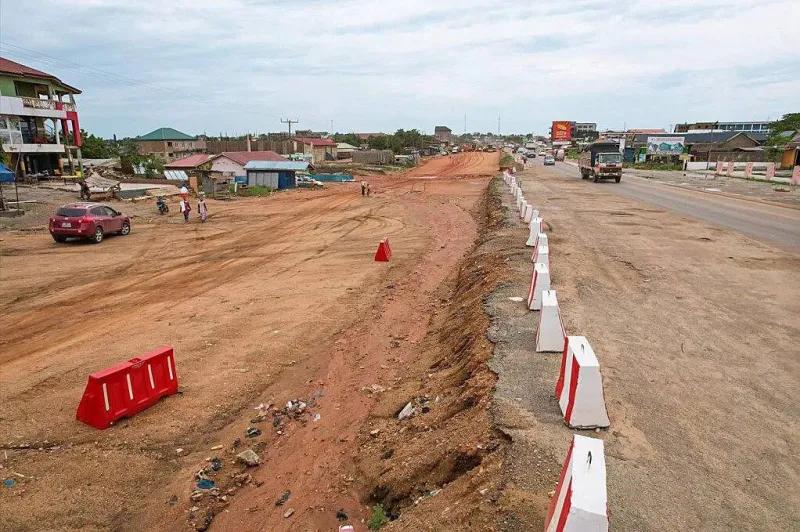
Major Road Projects in Ghana are transforming transportation, reducing travel time, and supporting economic development
These major road projects in Ghana are expected to transform transportation, enhance trade, and support regional development by connecting cities, ports, and industrial zones more efficiently. Improved road infrastructure will also reduce travel time, lower transportation costs, and increase investment opportunities across the country.
Government agencies such as the Ministry of Roads and Highways and the Ghana Highway Authority are leading these projects to modernise the country’s transport system. Major cities like Accra, Kumasi, and Takoradi are expected to benefit significantly from new highways, interchanges, and road expansions designed to improve mobility and economic activity
🚧 National Highway Expansion Projects


The implementation of Highway Expansion Ghana projects is one of the most important strategies aimed at improving transportation, reducing traffic congestion, and supporting economic development across the country. As Ghana’s population continues to grow and urbanisation increases, the demand for efficient road networks has become more urgent. Expanding national highways helps ensure smoother movement of people and goods between cities, industrial centres, and ports, making transportation faster and more reliable.
One of the key benefits of Highway Expansion Ghana is the reduction of traffic congestion on major routes. Busy highways connecting cities such as Accra and Kumasi often experience heavy traffic due to increased vehicle usage and commercial activity. Expanding these highways into dual carriageways or multi-lane roads helps ease congestion, reduce travel time, and improve road safety for drivers and passengers.
Government agencies including the Ghana Highway Authority and the Ministry of Roads and Highways are responsible for planning and executing major highway expansion projects nationwide. These projects include widening existing roads, constructing new bypasses, and building modern interchanges to manage traffic flow efficiently. Funding for these initiatives often comes from government budgets, international development partners, and private sector investments.
Another important aspect of Highway Expansion Ghana is its impact on economic growth and trade. Improved highways make it easier for businesses to transport goods from farms and factories to markets and export terminals. Efficient road networks reduce transportation costs, improve supply chains, and attract investors to industrial zones and commercial centres. This creates new job opportunities and supports long-term economic development.
In addition to economic benefits, highway expansion also enhances road safety. Wider roads, improved signage, and modern traffic systems reduce the risk of accidents and improve driving conditions. These safety improvements help protect motorists, pedestrians, and commercial drivers who rely on national highways every day.
In conclusion, Highway Expansion Ghana projects play a crucial role in transforming the country’s transportation system and supporting national development. By reducing congestion, improving safety, and boosting economic activity, expanded highways will continue to shape Ghana’s infrastructure and improve mobility for citizens and businesses in the years ahead.
🚦 Urban Road Upgrades in Major Cities


The ongoing urban road development Ghana initiatives are transforming transportation systems in major cities by improving road quality, reducing traffic congestion, and enhancing mobility for commuters. As urban populations continue to grow, cities are experiencing increased demand for reliable transportation infrastructure. Upgrading roads in metropolitan areas is essential for supporting economic activity, improving safety, and ensuring efficient movement of vehicles and pedestrians.
One of the primary goals of Urban Road Development Ghana is to modernise road networks in key urban centres such as Accra, Kumasi, and Takoradi. These cities serve as commercial and administrative hubs, attracting businesses, workers, and visitors from across the country. Upgraded roads help reduce travel delays, improve access to markets and workplaces, and support urban growth.
Government institutions such as the Department of Urban Roads and the Ministry of Roads and Highways are responsible for implementing urban road improvement projects. These projects include resurfacing damaged roads, expanding lanes, installing street lighting, and improving drainage systems to prevent flooding during heavy rainfall.
Another significant benefit of urban road development in Ghana is the improvement of road safety. Well-maintained roads with clear signage, pedestrian walkways, and traffic signals reduce the risk of accidents and create safer travel conditions for drivers and pedestrians. In addition, improved road infrastructure supports public transportation systems, making commuting more convenient and reliable.
In conclusion, the continued expansion of urban road development in Ghana is essential for supporting economic growth, improving transportation efficiency, and enhancing the quality of life in major cities. By investing in modern road infrastructure, the government aims to create safer, faster, and more efficient urban transportation systems for residents and businesses across the country.
🌉 Interchange and Flyover Construction Projects


The development of Interchange Projects Ghana is playing a major role in transforming urban transportation and reducing traffic congestion in busy cities. Interchanges and flyovers are designed to separate traffic flows, allowing vehicles to move smoothly without stopping at traffic lights or intersections. These structures improve traffic efficiency, reduce travel time, and enhance road safety for drivers and pedestrians.
One of the most notable examples of Interchange Projects Ghana is the Pokuase Interchange, which is one of the largest interchanges in West Africa. This project has significantly improved traffic movement along major routes connecting different parts of the city. Similar projects are being developed in other high-traffic areas to support growing transportation demands and urban expansion.
Government agencies such as the Ministry of Roads and Highways and the Department of Urban Roads are responsible for planning and implementing these large infrastructure projects. These institutions work to identify congested locations and design road solutions that improve traffic flow and reduce delays for commuters.
Another important benefit of Interchange Projects Ghana is improved road safety. By reducing the number of intersections and traffic conflicts, interchanges help minimise accidents and make driving conditions safer. They also support economic activity by allowing goods and services to be transported more efficiently between commercial areas, markets, and industrial zones.
In conclusion, the expansion of Interchange Projects Ghana is essential for modernising the country’s transportation system. These projects not only reduce congestion and improve safety but also support economic growth and urban development by ensuring faster and more reliable travel across major cities.
🚚 Road Infrastructure Supporting Trade and Commerce


The expansion of transport infrastructure in Ghana is essential for strengthening trade, improving logistics, and supporting economic growth across the country. Efficient road networks allow businesses to move goods quickly from production centres to markets, ports, and distribution hubs. Without reliable transportation infrastructure, delays in delivery and increased transportation costs can negatively affect businesses and consumers.
One of the most important aspects of transport infrastructure in Ghana is its role in connecting major commercial centres such as Accra, Kumasi, and the Tema Port. These locations serve as key hubs for importing and exporting goods, and improved road networks help ensure smooth transportation between them. Faster delivery times reduce business costs and improve the efficiency of supply chains.
Government agencies, including the Ghana Highway Authority and the Ministry of Trade and Industry, recognise the importance of modern road infrastructure for economic development. Investments in highways, feeder roads, and transport corridors support industries such as agriculture, manufacturing, and retail by enabling efficient movement of raw materials and finished products.
Another major benefit of transport infrastructure in Ghana is the promotion of regional trade and tourism. Improved road networks make it easier for businesses to reach customers in different regions and for tourists to travel between cities and attractions. This increased mobility supports local economies and encourages investment in commercial activities.
In conclusion, the continued development of transport infrastructure in Ghana is vital for supporting trade, reducing transportation costs, and improving economic competitiveness. Modern road systems enable faster movement of goods, strengthen supply chains, and create new opportunities for businesses across Ghana.
🌍 Regional Road Development and Rural Connectivity
Main Title: Major Road Projects Set to Transform Transportation in Ghana
Focus Keyword: Rural Road Development Ghana
The expansion of Rural Road Development Ghana is a critical part of the country’s infrastructure strategy aimed at improving connectivity between rural communities and urban centers. Many rural areas depend on feeder roads to transport agricultural produce, access healthcare services, and connect to markets. Poor road conditions can limit economic opportunities and increase transportation costs for farmers and traders. By investing in rural road development, the government aims to strengthen local economies and improve living standards in underserved communities.
One of the main benefits of Rural Road Development Ghana is improved access to markets for farmers and small businesses. When roads are upgraded or newly constructed, farmers can transport crops such as maize, cassava, and vegetables more efficiently to major trading centers in cities like Kumasi and Tamale. This reduces transportation time, lowers fuel costs, and helps farmers earn better income from their produce.
Government agencies such as the Department of Feeder Roads and the Ministry of Roads and Highways are responsible for planning and maintaining rural road networks. These organizations focus on constructing durable feeder roads, improving drainage systems, and ensuring year-round accessibility, especially during the rainy season.
Another important impact of Rural Road Development Ghana is improved access to essential services such as schools, hospitals, and markets. Reliable transportation makes it easier for residents to travel safely and quickly, supporting education, healthcare delivery, and social development in rural areas.
In conclusion, Rural Road Development Ghana plays a vital role in connecting communities, supporting agriculture, and promoting economic growth. By improving rural road networks, the government is helping bridge the gap between rural and urban areas while creating opportunities for sustainable development across the country.
💼 Employment Opportunities in Road Construction
Main Title: Major Road Projects Set to Transform Transportation in Ghana
Focus Keyword: Road Construction Jobs Ghana


The expansion of road infrastructure across the country is creating thousands of Road Construction Jobs Ghana, providing employment opportunities for both skilled and unskilled workers. Large road projects require engineers, surveyors, machine operators, technicians, and laborers, making the construction sector one of the most important sources of employment in the economy. As new highways, interchanges, and feeder roads are developed, more workers are hired to support these projects.
One of the key benefits of increasing Road Construction Jobs Ghana is the positive impact on household income and economic growth. When individuals gain employment in construction, they earn wages that help support their families and stimulate local businesses. Increased spending by workers boosts demand for goods and services, contributing to overall economic development in communities where road projects are underway.
Government institutions such as the Ministry of Roads and Highways and the Ministry of Employment and Labour Relations are actively promoting workforce development programs to ensure that local workers benefit from infrastructure investments. These programs include training initiatives that equip young people with technical skills needed for careers in construction and engineering.
In addition to direct employment, the growth of Road Construction Jobs Ghana also supports related industries such as transportation, equipment supply, fuel distribution, and food services. Local businesses benefit from increased demand for materials and services, creating additional job opportunities beyond the construction site.
In conclusion, the rise in Road Construction Jobs Ghana demonstrates how infrastructure development can drive employment and economic progress. By investing in road construction, the government is not only improving transportation but also creating jobs, increasing income levels, and supporting sustainable economic growth across Ghana.
⏱️ Reduced Travel Time and Improved Safety


The development of modern road infrastructure is significantly improving Road Safety Improvements Ghana while reducing travel time for commuters and businesses. As road networks expand and traffic management systems become more advanced, drivers can travel more efficiently and safely between cities and towns. Reduced congestion and better road conditions help prevent accidents and make transportation more reliable for passengers and commercial vehicles.
One of the major benefits of Road Safety Improvements Ghana is the introduction of well-designed highways with proper signage, lighting, and road markings. These features help drivers navigate roads more easily, especially at night or during bad weather conditions. In addition, improved road surfaces reduce vehicle breakdowns and mechanical failures caused by potholes and rough terrain.
Government agencies such as the National Road Safety Authority and the Ghana Highway Authority are responsible for implementing safety standards and monitoring road conditions nationwide. These institutions also conduct public education campaigns to promote responsible driving and reduce traffic accidents.
Another important aspect of Road Safety Improvements Ghana is the reduction in travel time between major cities. Upgraded roads and new interchanges allow vehicles to move faster without frequent stops, saving time for commuters and reducing fuel consumption. Faster transportation also supports emergency services such as ambulances and fire departments, enabling quicker response times during emergencies.
In conclusion, the continued investment in road infrastructure is playing a vital role in achieving Road Safety Improvements Ghana and improving transportation efficiency. By enhancing safety features, reducing travel delays, and supporting reliable mobility, these projects contribute to better living conditions and economic growth across the country.
📈 Economic Growth from Infrastructure Investment


Investment in road infrastructure plays a crucial role in driving Infrastructure Investment Ghana, supporting economic growth and improving the overall business environment. When governments invest in roads, highways, and transportation systems, they create the foundation for economic development by enabling faster movement of goods, services, and people. Improved infrastructure reduces transportation costs, increases productivity, and attracts investors who depend on reliable logistics and connectivity.
One of the major ways Infrastructure Investment Ghana contributes to economic growth is by supporting trade and commerce. Efficient road networks connect key economic centers such as Accra, Kumasi, and the Tema Port. These connections allow businesses to transport goods quickly from factories and farms to markets and export hubs. Faster transportation improves supply chains, reduces delivery delays, and increases profitability for companies.
Government institutions such as the Ministry of Finance and the Ghana Infrastructure Investment Fund play a central role in financing road development projects. These agencies allocate resources for infrastructure expansion and collaborate with development partners to support large-scale construction initiatives. Their investments help create long-term economic benefits for communities and businesses.
Another important benefit of Infrastructure Investment Ghana is job creation and local business development. Road construction projects require materials such as cement, steel, and fuel, creating demand for suppliers and service providers. This increased economic activity supports small businesses, generates tax revenue, and strengthens the national economy.
In conclusion, Infrastructure Investment Ghana remains a key driver of economic growth and national development. By improving transportation systems and supporting business expansion, road infrastructure investments help create jobs, boost trade, and enhance the country’s competitiveness in regional and global markets.
🔧 Maintenance and Rehabilitation of Existing Roads


The continued focus on Road Rehabilitation Ghana is essential for maintaining safe and reliable transportation networks across the country. While new road construction projects are important, maintaining and repairing existing roads ensures that infrastructure remains functional and cost-effective over time. Poorly maintained roads can lead to traffic congestion, vehicle damage, and increased accident risks, making regular maintenance a top priority for transportation authorities.
One of the main objectives of Road Rehabilitation Ghana is to restore damaged roads and improve driving conditions for motorists. Rehabilitation projects often involve resurfacing worn-out asphalt, repairing potholes, improving drainage systems, and strengthening road foundations. These upgrades help extend the lifespan of roads and reduce long-term maintenance costs for the government.
Government agencies such as the Ghana Highway Authority and the Department of Feeder Roads are responsible for overseeing road maintenance and rehabilitation programs. These institutions monitor road conditions, prioritize repair projects, and allocate funding to ensure that transportation infrastructure remains safe and efficient.
Another important benefit of Road Rehabilitation Ghana is improved road safety and reduced vehicle operating costs. Smooth and well-maintained roads reduce the likelihood of accidents and minimize wear and tear on vehicles. This leads to lower repair costs for drivers and more reliable transportation for businesses that depend on road networks for deliveries.
In conclusion, investing in Road Rehabilitation Ghana is critical for preserving infrastructure, improving safety, and supporting economic development. Regular maintenance ensures that existing roads continue to serve communities effectively while reducing the need for expensive reconstruction projects in the future.
🚀 Future Road Infrastructure and Smart Transportation Systems


The development of Future Road Projects Ghana is expected to introduce modern technologies that will transform transportation and improve efficiency across the country. As urban populations grow and vehicle numbers increase, traditional road systems alone may not be enough to manage traffic effectively. Smart transportation systems use digital technology, data analysis, and automated traffic controls to reduce congestion, improve safety, and enhance the overall travel experience for road users.
One of the key components of Future Road Projects Ghana is the introduction of intelligent traffic management systems. These systems use sensors, cameras, and real-time data to monitor traffic flow and adjust traffic signals automatically. This helps reduce traffic jams, improve emergency response times, and ensure smoother movement of vehicles in busy areas. Cities such as Accra and Kumasi are expected to benefit from these advanced traffic solutions as urban development continues.
Government institutions such as the Ministry of Roads and Highways and the National Road Safety Authority are exploring the use of digital technologies to modernize transportation infrastructure. These initiatives include electronic toll collection systems, smart road monitoring tools, and improved traffic enforcement mechanisms designed to enhance road safety and efficiency.
Another important aspect of Future Road Projects Ghana is the potential integration of environmentally friendly transportation solutions. Future road systems may include dedicated lanes for public transport, improved pedestrian walkways, and infrastructure that supports electric vehicles. These developments can help reduce fuel consumption, lower emissions, and promote sustainable urban growth.
In conclusion, Future Road Projects Ghana represent the next stage of transportation development in the country. By adopting smart technologies and modern infrastructure designs, Ghana is preparing to build a safer, more efficient, and more sustainable transportation system that supports economic growth and improves daily travel for citizens.
Major Road Projects in Ghana are transforming transportation, reducing travel time, and supporting economic development
Other stories
-
Ghana New Housing Policy: 7 Major Benefits for Homebuyers
-
5 Shocking Changes in Ghana’s Economy That May Increase Prices in 2026
-
10 Best Areas to Invest in Real Estate in Ghana (2026 Guide)
-
10 Costs of Building a House in Accra (2026 Guide)
-
10 Steps to Buy Land in Ghana Safely



0 Comments