The Ghana cedi has recently gained strength against the US dollar, raising hopes for improved economic stability, lower inflation, and reduced prices for imported goods and fuel across the country. Financial analysts say the stronger performance of the local currency could provide relief for businesses, consumers, importers, and transport operators who have struggled with rising costs over the past months.

Ghana Cedi Gains Strength Against Dollar as businesses, consumers, and transport operators expect economic relief.
The appreciation of the cedi comes amid ongoing government economic reforms, improved investor confidence, and positive developments in Ghana’s financial sector. Experts believe the stronger currency may help stabilise fuel prices, reduce import costs, and improve overall market conditions if the trend continues.
Below are 10 important sections explaining what the stronger Ghana cedi means for businesses, consumers, fuel prices, inflation, and the country’s economy.
Why the Ghana Cedi Is Gaining Strength
The Ghana cedi has recently gained strength against the US dollar, raising optimism among businesses, consumers, investors, and financial analysts across the country. The improvement in the local currency’s performance is being seen as a positive sign for Ghana’s economy, especially after months of exchange rate instability, rising inflation, and increasing import costs.
The topic ‘Why the Ghana Cedi Is Gaining Strength’ has become one of the most discussed economic stories in Ghana because exchange rate movements affect fuel prices, transport fares, food costs, imports, and the overall cost of living. A stronger cedi can help reduce inflationary pressure and improve business confidence across several sectors of the economy.
Financial experts say one of the main reasons behind the recent appreciation of the Ghana cedi is improved investor confidence in Ghana’s economy. Government economic reforms, fiscal discipline measures, and support from international financial institutions such as the International Monetary Fund (IMF) have helped stabilise market conditions and strengthen foreign exchange reserves.
Another important factor contributing to the cedi’s gains is increased foreign currency inflows into the economy. Export earnings from gold, cocoa, and oil continue to support Ghana’s foreign reserves, helping improve liquidity within the foreign exchange market. Higher remittance inflows from Ghanaians living abroad have also contributed to increased dollar supply within the economy.
The ‘Why the Ghana Cedi Is Gaining Strength’ discussion also highlights the role of the in managing exchange rate stability. The central bank has implemented several monetary policies aimed at controlling inflation, improving investor confidence, and stabilising the foreign exchange market.
Energy analysts and business experts say the stronger cedi may help reduce fuel prices because petroleum imports are purchased mainly in US dollars. Lower import costs could eventually reduce petrol and diesel prices, providing relief for transport operators, businesses, and consumers.
Importers and manufacturing companies are also expected to benefit from the stronger local currency because stable exchange rates can lower the cost of imported goods and raw materials. This may help businesses manage operational expenses and reduce pressure on consumer prices.
Economists believe the appreciation of the cedi could improve economic confidence if the trend continues over the long term. Stable exchange rates are important for attracting foreign direct investment, supporting industrial growth, and improving financial planning for businesses.
However, analysts caution that global economic uncertainties and fluctuations in international commodity prices still pose risks to the currency’s future performance. Factors such as global oil prices, import demand, and geopolitical tensions may continue to influence exchange rate trends.
As Ghanaians continue to monitor economic developments, the Why the Ghana Cedi Is Gaining Strength story remains one of the country’s most important financial discussions, with many hoping the stronger currency will support lower inflation, improved fuel prices, and better economic stability nationwide.
Impact on Fuel Prices in Ghana
The recent strengthening of the Ghana cedi against the US dollar is expected to have a positive impact on fuel prices across the country. Since Ghana imports a large percentage of its petroleum products using foreign currency, exchange rate movements play a major role in determining the prices of petrol, diesel, and liquefied petroleum gas (LPG) sold at local filling stations.
The impact on fuel prices in Ghana has become one of the most discussed economic topics because fuel prices directly affect transportation costs, food prices, business operations, and the overall cost of living nationwide. Many consumers and transport operators are hopeful that the stronger cedi may lead to lower fuel prices in the coming weeks.
Oil Marketing Companies (OMCs) purchase refined petroleum products from international suppliers mainly in US dollars. When the Ghana cedi appreciates against the dollar, importers spend less local currency to buy fuel from the global market. This reduction in import costs can create room for lower pump prices at filling stations across Ghana.
Energy analysts say the recent gains by the cedi have already helped reduce pressure on petroleum import expenses. Combined with moderate declines in global crude oil prices, the stronger local currency could contribute to slight reductions in petrol and diesel prices.
The impact on fuel prices in Ghana is important because petroleum costs influence almost every sector of the economy. Commercial drivers, delivery companies, manufacturers, and businesses that rely on fuel-powered generators are closely monitoring developments in the petroleum market.
Lower fuel prices may eventually reduce transportation costs and improve affordability for consumers. Transport fares, food prices, and logistics expenses often rise when fuel prices increase, making stable petroleum prices important for economic stability.
Business owners say lower fuel costs could help reduce operational expenses and improve profitability. Companies involved in transportation, manufacturing, agriculture, and retail trade are among the sectors expected to benefit most from stable fuel pricing.
Economic experts believe stable exchange rates are critical for maintaining affordable fuel prices and controlling inflation in Ghana. Fuel price increases often contribute to higher inflation because transportation and energy costs affect the prices of goods and services nationwide.
Despite the positive outlook, analysts caution that global oil market conditions remain unpredictable. International crude oil prices, geopolitical tensions, and fluctuations in global supply and demand can still affect fuel pricing trends in Ghana.
The National Petroleum Authority (NPA) and industry stakeholders continue to monitor international market developments and exchange rate movements before making fuel price adjustments. Consumers remain hopeful that the stronger cedi will support more stable petroleum prices in the months ahead.
As discussions continue about exchange rate performance and energy costs, the impact on fuel prices in Ghana remains one of the country’s most important economic stories today.
What It Means for Importers and Businesses
Ghana Cedi Gains Strength Against Dollar as businesses, consumers, and transport operators expect economic relief.
The recent appreciation of the Ghana cedi against the US dollar is expected to bring major benefits for importers, manufacturers, and businesses across several sectors of the economy. Since many companies in Ghana rely heavily on imported goods, raw materials, machinery, and fuel purchased in foreign currency, a stronger cedi can significantly reduce operational and importation costs.
The What It Means for Importers and Businesses discussion has become one of the most important economic topics in Ghana because exchange rate stability directly affects product pricing, business profitability, inflation, and consumer spending nationwide.
Importers are among the biggest beneficiaries of a stronger cedi because they spend less local currency when purchasing goods from international suppliers. Businesses involved in electronics, automobile parts, pharmaceuticals, food imports, fashion products, machinery, and industrial equipment are closely monitoring the recent exchange rate improvements.
Lower import costs may help companies reduce the prices of goods and services for consumers if the stronger cedi remains stable over time. Many businesses have struggled with rising operational expenses due to previous exchange rate volatility and high import costs.
The What It Means for Importers and Businesses story is also important for manufacturing companies that rely on imported raw materials for production. Stable exchange rates can help factories manage production costs more effectively while improving long-term business planning and investment decisions.
Business owners say the appreciation of the cedi may improve market confidence and encourage expansion activities if economic stability continues. Lower operational costs can increase profitability and create opportunities for companies to invest in growth and employment.
Retailers and wholesalers are also hopeful that reduced import costs may eventually lower wholesale and retail prices for consumers. Many products sold in Ghanaian markets and shops are imported or depend on imported materials, making exchange rates an important factor in pricing.
Economic analysts believe a stronger cedi could help reduce inflationary pressure because stable exchange rates often contribute to lower import costs and improved consumer affordability. Reduced inflation may also support stronger consumer spending and economic activity.
The banking and financial sectors are also paying close attention to the cedi’s performance because exchange rate stability influences investment decisions, foreign direct investment, and financial market confidence.
Despite the positive outlook, some analysts caution that businesses remain vulnerable to future global market fluctuations, international commodity price changes, and geopolitical risks that could affect exchange rates again.
Experts say long-term benefits for importers and businesses will depend on sustained currency stability, strong economic management, and continued investor confidence in Ghana’s economy.
As businesses continue monitoring exchange rate developments, the What It Means for Importers and Businesses discussion remains one of the country’s most important economic stories affecting trade, investment, and consumer prices nationwide.
Could Prices of Goods Reduce?
Many consumers and businesses in Ghana are hopeful that the recent appreciation of the Ghana cedi against the US dollar could eventually lead to lower prices for imported goods and services across the country. Since exchange rates play a major role in determining import costs, a stronger local currency may help reduce the prices of products that rely heavily on foreign imports.
The Could Prices of Goods Reduce discussion has become one of the most widely debated economic topics in Ghana because rising prices of food, electronics, fuel, household products, pharmaceuticals, and transportation have placed significant pressure on consumers over the past months.
Importers and retailers often increase product prices when the Ghana cedi weakens because imported goods become more expensive to purchase from international suppliers. However, with the cedi now showing signs of strength against the US dollar, many Ghanaians expect businesses to eventually reduce prices if exchange rate stability continues.
Economic analysts say lower import costs could positively affect the prices of several products sold in markets, supermarkets, pharmacies, and retail shops nationwide. Goods such as rice, cooking oil, sugar, electronics, spare parts, clothing, and industrial materials are among products that could benefit from stable exchange rates.
The Could Prices of Goods Reduce issue is especially important for households because many families continue to struggle with inflation and the rising cost of living. Consumers are hopeful that reduced import costs may improve affordability and ease financial pressure.
Businesses involved in manufacturing may also benefit because imported raw materials and machinery could become relatively cheaper. Lower production costs may help companies stabilize prices for locally produced goods and improve business profitability.
Despite the optimism, experts caution that exchange rate stability alone may not immediately lead to significant price reductions. Transportation costs, fuel prices, taxes, inflation, operational expenses, and supply chain costs also influence the final prices consumers pay for goods and services.
Retailers and wholesalers may also take time before adjusting prices because many businesses still have existing stock purchased at higher exchange rates. Analysts say price changes may happen gradually if the stronger cedi remains stable over a longer period.
The Could Prices of Goods Reduce conversation also affects consumer confidence and spending patterns. Stable prices can improve purchasing power and encourage economic activity as households gain more financial flexibility.
Financial experts believe sustained appreciation of the cedi could help reduce inflationary pressure and improve economic stability nationwide. Lower import costs may support government efforts to control inflation and strengthen market confidence.
As consumers continue monitoring exchange rate developments and market prices, the Could Prices of Goods Reduce discussion remains one of the country’s most important economic stories today.
Effect on Inflation and Cost of Living
The recent strengthening of the Ghana cedi against the US dollar could have a significant effect on inflation and the overall cost of living in Ghana if the currency maintains its stability over time. Economists say exchange rate improvements may help reduce import costs, stabilize fuel prices, and lower inflationary pressure across several sectors of the economy.
The Effect on Inflation and Cost of Living discussion has become one of the most important economic topics in Ghana because rising prices of food, transportation, fuel, rent, and household goods continue to affect millions of people nationwide. Many households have struggled with increased living expenses due to inflation and currency instability over the past months.
Inflation in Ghana is heavily influenced by exchange rate movements because the country imports a large percentage of goods, fuel, raw materials, and industrial products using foreign currency. When the Ghana cedi weakens against the US dollar, import costs rise, often leading to higher prices for goods and services.
However, the recent appreciation of the cedi may help reduce some of these pressures. Lower import costs can create room for reduced prices of imported products, transportation, fuel, and business operations if the stronger currency trend continues.
The Effect on Inflation and Cost of Living is particularly important because fuel prices and transportation costs affect food distribution and supply chains throughout the country. Stable fuel prices may help reduce transportation expenses, which can influence market prices for goods and services.
Economic analysts say a stronger cedi may also improve consumer purchasing power by reducing inflationary pressure and stabilizing product prices. Consumers may experience some relief if businesses begin adjusting prices downward in response to lower import and operational costs.
Businesses involved in manufacturing, retail, transportation, and logistics are closely monitoring exchange rate developments because stable currency performance can help reduce production and operating expenses. Lower costs may improve profitability and encourage business expansion.
The Bank of Ghana continues to implement monetary policies aimed at controlling inflation and supporting exchange rate stability. Financial experts believe improved investor confidence and stronger foreign reserves have contributed to recent positive developments in the economy.
Despite the optimism, economists caution that inflation remains affected by several other factors, including taxes, global oil prices, transportation costs, and international market conditions. This means price reductions may happen gradually rather than immediately.
Consumers are hopeful that the appreciation of the Ghana cedi could eventually lead to lower food prices, transport fares, and reduced household expenses. Many families continue to monitor economic developments closely as they look for signs of improved affordability.
As discussions continue about economic recovery and exchange rate stability, the Effect on Inflation and Cost of Living remains one of Ghana’s most closely watched financial and economic stories today.
Reactions from Financial Analysts
Financial analysts and economic experts across Ghana have welcomed the recent appreciation of the Ghana cedi against the US dollar, describing it as a positive sign for the country’s economic recovery and financial stability. Many experts believe the stronger performance of the local currency reflects growing investor confidence, improved foreign exchange management, and ongoing government economic reforms.
The Reactions from Financial Analysts discussion has become one of the most important economic conversations in Ghana because exchange rate movements affect inflation, fuel prices, imports, transportation costs, and the overall cost of living nationwide.
According to financial experts, one of the major reasons behind the cedi’s recent gains is improved confidence in Ghana’s economy following fiscal reforms and support from international financial institutions such as the International Monetary Fund (IMF). Analysts say improved policy direction and better market sentiment have contributed to stronger currency performance.
Economists also point to increased foreign exchange inflows from exports, remittances, and investments as important factors supporting the cedi. Ghana’s export sectors, including gold, cocoa, and oil, continue to generate foreign currency earnings that strengthen the country’s reserves.
The Reactions from Financial Analysts story highlights the importance of stable exchange rates for economic growth and investor confidence. Stable currency performance can improve business planning, reduce import costs, and help control inflationary pressure within the economy.
Financial experts say the stronger cedi could positively affect fuel prices because petroleum imports are purchased mainly in US dollars. Lower fuel import costs may eventually help stabilize transportation expenses and reduce pressure on consumers and businesses.
Some analysts believe the appreciation of the cedi could also improve investor confidence in Ghana’s financial markets. Stable exchange rates often attract foreign direct investment into sectors such as banking, manufacturing, infrastructure, telecommunications, and energy.
Despite the positive outlook, analysts caution that maintaining currency stability will require continued fiscal discipline, strong monetary policies, and careful management of external economic risks. Global market volatility, commodity price fluctuations, and geopolitical tensions remain potential threats to future exchange rate performance.
Economic experts say sustained currency stability could help reduce inflation and improve consumer purchasing power if businesses gradually lower prices for imported goods and services. Many households are hopeful the stronger cedi may eventually reduce the cost of living.
Financial market observers also believe the Bank of Ghana’s monetary policies have played a major role in improving exchange rate conditions. Stronger foreign reserves and investor confidence continue to support positive market sentiment.
As Ghanaians continue monitoring developments in the financial sector, the Reactions from Financial Analysts discussion remains one of the country’s most closely followed economic stories today.
Impact on Fuel and Transport Fares
The recent strengthening of the Ghana cedi against the US dollar could have a significant impact on fuel prices and transportation costs across the country. Since Ghana imports most of its petroleum products using foreign currency, a stronger cedi can help reduce fuel import costs, which may eventually affect transport fares and business operations nationwide.
The Impact on Fuel and Transport Fares discussion has become one of the most talked-about economic topics because transportation costs influence food prices, business expenses, and the general cost of living for millions of Ghanaians.
Energy analysts say the appreciation of the cedi may contribute to lower petrol and diesel prices if global crude oil prices remain stable. Oil Marketing Companies (OMCs) spend less local currency when purchasing petroleum products from international suppliers if the exchange rate improves.
Commercial drivers and transport operators are closely monitoring developments in the fuel market because petroleum costs remain one of their biggest operational expenses. Drivers often increase transport fares when fuel prices rise to offset higher operational costs.
The Impact on Fuel and Transport Fares issue is especially important because public transportation is the main mode of travel for many Ghanaians. Lower transportation costs could help reduce financial pressure on workers, students, traders, and households.
Consumers are hopeful that reduced fuel import costs may eventually lead to lower transport fares nationwide. However, transport unions often consider several factors before adjusting fares, including vehicle maintenance costs, inflation, spare parts prices, road conditions, and taxes.
Businesses involved in logistics, delivery services, food distribution, and manufacturing are also expected to benefit if transportation costs decrease. Lower fuel and transport expenses may improve operational efficiency and reduce supply chain costs for companies.
Economic experts believe stable fuel prices can help reduce inflationary pressure because transportation affects the prices of goods and services throughout the economy. Reduced transport costs may eventually contribute to lower food prices and improved affordability for consumers.
The Impact on Fuel and Transport Fares discussion also reflects broader concerns about economic stability and household spending in Ghana. Rising transportation costs have placed pressure on consumers over the past months due to inflation and fuel price increases.
Despite the positive outlook, analysts caution that global crude oil prices and international market conditions remain unpredictable. Future exchange rate fluctuations or increases in global oil prices could still affect fuel and transportation costs.
Transport unions and industry stakeholders continue to monitor fuel pricing developments before making any decisions regarding transportation fares. Many commuters remain hopeful that stable exchange rates and lower fuel prices will eventually bring relief to passengers.
As Ghanaians continue following developments in the economy, the Impact on Fuel and Transport Fares story remains one of the country’s most important economic discussions today.
Investor Confidence and Economic Stability
Ghana Cedi Gains Strength Against Dollar as businesses, consumers, and transport operators expect economic relief.
The recent appreciation of the Ghana cedi against the US dollar is being viewed by many financial experts and investors as a positive sign for Ghana’s economic stability and overall business environment. Analysts say stronger currency performance often increases investor confidence because it reflects improved financial management, economic reforms, and better market conditions.
The Investor Confidence and Economic Stability discussion has become one of the most important economic topics in Ghana because exchange rate stability plays a major role in attracting foreign investment, supporting business growth, and improving economic planning.
Foreign investors usually prefer economies with stable currencies because exchange rate volatility can affect profits, investment returns, and business operations. A stronger and more stable Ghana cedi may encourage more international investors to explore opportunities in sectors such as banking, energy, telecommunications, mining, manufacturing, and infrastructure development.
Economic experts believe recent improvements in the cedi’s performance are linked to stronger foreign exchange reserves, ongoing economic reforms, and increased support from international financial institutions such as the International Monetary Fund (IMF). These developments have helped improve market confidence and stabilize the financial sector.
The Investor Confidence and Economic Stability issue is important because foreign direct investment (FDI) contributes significantly to job creation, infrastructure development, and economic growth in Ghana. Increased investor confidence may support new business expansion and improve long-term economic opportunities.
Business leaders say stable exchange rates also help companies make better financial decisions because predictable currency conditions reduce uncertainty in import costs, pricing, and investment planning. Manufacturers, importers, and exporters all benefit from improved exchange rate stability.
Financial analysts say a stronger cedi may also help reduce inflation and stabilize fuel prices if import costs decline over time. Lower inflation can improve consumer spending and strengthen economic activity across several sectors.
The banking and financial markets continue to monitor developments closely because exchange rate stability influences lending, investment decisions, and stock market performance. Stable currencies often improve confidence within both local and international financial markets.
Despite the optimism, analysts caution that maintaining investor confidence will require continued fiscal discipline, sound economic policies, and stable market conditions. Global economic uncertainties, commodity price fluctuations, and geopolitical tensions remain potential risks that could affect future currency performance.
Some experts believe Ghana’s growing focus on economic reforms and financial management could strengthen the country’s reputation among international investors if positive trends continue. Improved confidence in the economy may encourage long-term investment partnerships and business growth.
As Ghana continues to monitor exchange rate developments and economic reforms, the Investor Confidence and Economic Stability story remains one of the country’s most closely followed financial and business discussions today.
Challenges That Could Affect the Cedi Again
Despite the recent appreciation of the Ghana cedi against the US dollar, financial analysts warn that several economic and global market challenges could still affect the currency’s stability in the future. While the stronger cedi has raised optimism among businesses and consumers, experts say maintaining long-term exchange rate stability will require continued economic discipline and strong financial management.
The Challenges That Could Affect the Cedi Again discussion has become one of the most important economic topics in Ghana because exchange rate fluctuations directly influence fuel prices, inflation, import costs, transportation fares, and the general cost of living nationwide.
One of the biggest risks facing the Ghana cedi is volatility in global financial markets. International economic uncertainty, rising interest rates in major economies, and geopolitical tensions can affect investor confidence and foreign capital flows into emerging markets such as Ghana.
Financial experts also point to fluctuations in global commodity prices as a major concern. Ghana’s economy depends heavily on exports such as gold, cocoa, and oil for foreign exchange earnings. Declines in international commodity prices could reduce export revenue and place pressure on the cedi.
The Challenges That Could Affect the Cedi Again story also highlights the impact of rising import demand within the economy. Ghana imports a significant amount of fuel, machinery, food products, and industrial materials using foreign currency. High demand for US dollars can increase pressure on the exchange rate if foreign exchange inflows decline.
Analysts say inflation remains another important challenge because rising inflation often weakens consumer purchasing power and affects economic stability. Stable inflation control measures are critical for maintaining investor confidence and supporting the local currency.
Government borrowing and debt management are also key factors influencing exchange rate stability. Economists say high debt levels and fiscal imbalances can create uncertainty within financial markets and weaken confidence in the economy.
The banking and financial sectors continue to monitor global oil prices closely because fuel import costs significantly affect foreign exchange demand. Rising international crude oil prices may increase pressure on the cedi if petroleum import expenses rise sharply.
Some experts believe geopolitical conflicts and disruptions in global supply chains could also affect Ghana’s economy and currency performance. International market instability often impacts investor behavior, trade flows, and commodity prices worldwide.
The Challenges That Could Affect the Cedi Again issue is important for businesses and consumers because exchange rate instability affects pricing, investment planning, and operational costs across several sectors of the economy.
Despite these risks, analysts believe continued economic reforms, stronger foreign reserves, and improved fiscal discipline may help Ghana maintain better currency stability in the future. The Bank of Ghana and government policymakers are expected to continue monitoring market developments closely.
As Ghanaians continue following economic trends and exchange rate developments, the Challenges That Could Affect the Cedi Again discussion remains one of the country’s most closely watched financial and business stories today.
Future Outlook for the Ghana Cedi
The future outlook for the Ghana cedi remains one of the most closely watched economic discussions in the country as businesses, investors, and consumers continue monitoring exchange rate developments and economic reforms. Financial analysts believe the recent appreciation of the cedi against the US dollar could signal improved economic stability if positive trends continue over the long term.
The Future Outlook for the Ghana Cedi is important because exchange rate performance directly affects fuel prices, inflation, import costs, transportation fares, business operations, and household spending across Ghana. Stable currency conditions can support economic growth, improve investor confidence, and reduce inflationary pressure within the economy.
Economic experts say the future strength of the cedi will depend largely on government fiscal discipline, monetary policy management, foreign exchange reserves, and investor confidence in Ghana’s economy. Continued support from international financial institutions such as the International Monetary Fund (IMF) may also help improve market stability.
One of the major factors influencing the future outlook for the cedi is Ghana’s export performance. Export earnings from gold, cocoa, oil, and other commodities remain important sources of foreign exchange inflows that support the local currency. Strong export revenues can help improve liquidity in the foreign exchange market.
The Future Outlook for the Ghana Cedi discussion also focuses on inflation control and economic reforms. Analysts say lower inflation and stable interest rates are important for maintaining investor confidence and strengthening the country’s financial environment.
Business owners and importers are hopeful that stable exchange rates may help reduce operational costs and improve long-term planning. Manufacturers, retailers, transport operators, and fuel importers all depend heavily on stable currency performance for pricing and investment decisions.
Financial experts believe the Bank of Ghana’s policies aimed at controlling inflation and managing exchange rate volatility will continue to play a critical role in supporting the cedi. Stronger foreign reserves and careful market interventions may help reduce pressure on the local currency.
The Future Outlook for the Ghana Cedi also depends on global economic conditions. International crude oil prices, geopolitical tensions, global inflation, and changes in commodity prices may still affect Ghana’s economy and exchange rate performance in the future.
Some analysts believe Ghana could experience more stable exchange rate conditions if economic reforms continue successfully and investor confidence remains strong. Improved fiscal management and stronger economic growth could help support long-term currency stability.
Ghana Cedi Gains Strength Against Dollar as businesses, consumers, and transport operators expect economic relief.
Despite the positive outlook, experts caution that exchange rates remain sensitive to external market shocks and international financial conditions. Businesses and consumers are advised to continue monitoring economic trends closely.
As Ghana continues pursuing economic recovery and financial stability, the Future Outlook for the Ghana Cedi remains one of the country’s most important financial and business stories affecting consumers, investors, and businesses nationwide.
Other stories
-
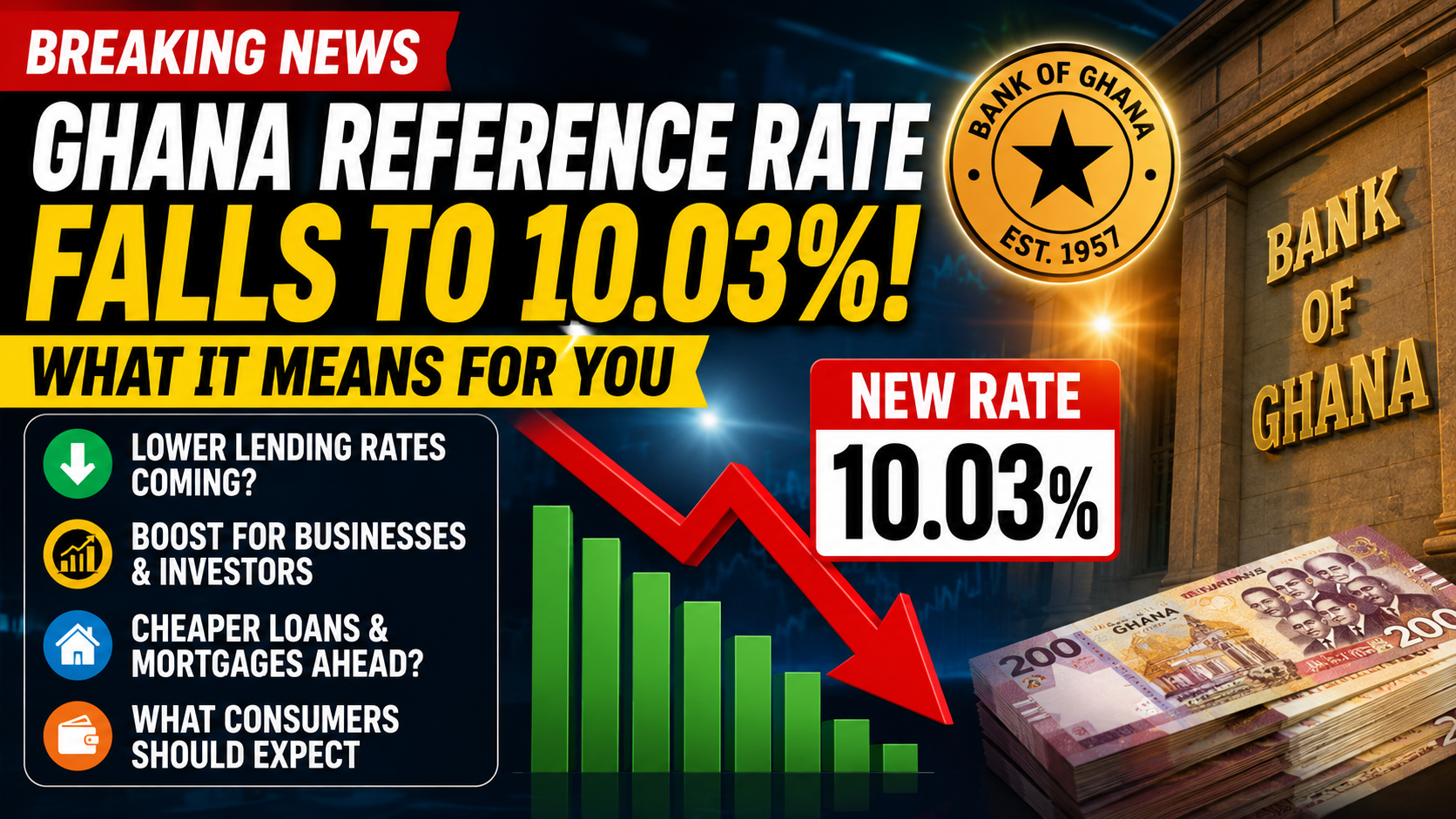
10 Powerful Effects of Ghana Reference Rate Falling to 10.03%
-
Low Capital Business Ideas in Ghana: 9 Powerful Ways to Start Today
-
7 Powerful Reasons Property Prices Are Rising in Ghana
-
6 Powerful Business Opportunities in Ghana to Make Big Money in 2026
-
5 Shocking Fuel Price Increases Drivers Must Prepare for in 2026
0 Comments